Coyote Decoys
As a reminder:
Our sheltered, semi-enclosed shoreline is particularly vulnerable to goose waste. Because we lack strong wave action, the droppings do not flush out into the Sound, causing bacteria to rapidly build up.
Why are geese a public health concern?
- Beach Closings: Unchecked feces elevate bacterial counts, which forces local health departments to close beaches.
- Swimmer’s Itch: Droppings promote parasites that cause an itchy, uncomfortable rash.
- Health Risks: Swallowing contaminated water can lead to severe stomach illnesses, and feces left in the sand pose risks to young children.
- Aggressive Behavior: Some neighbors have reported that geese have become defensive and aggressive.
How the HGA is deterring geese:
To keep the beach clear, we are implementing the following humane deterrents:
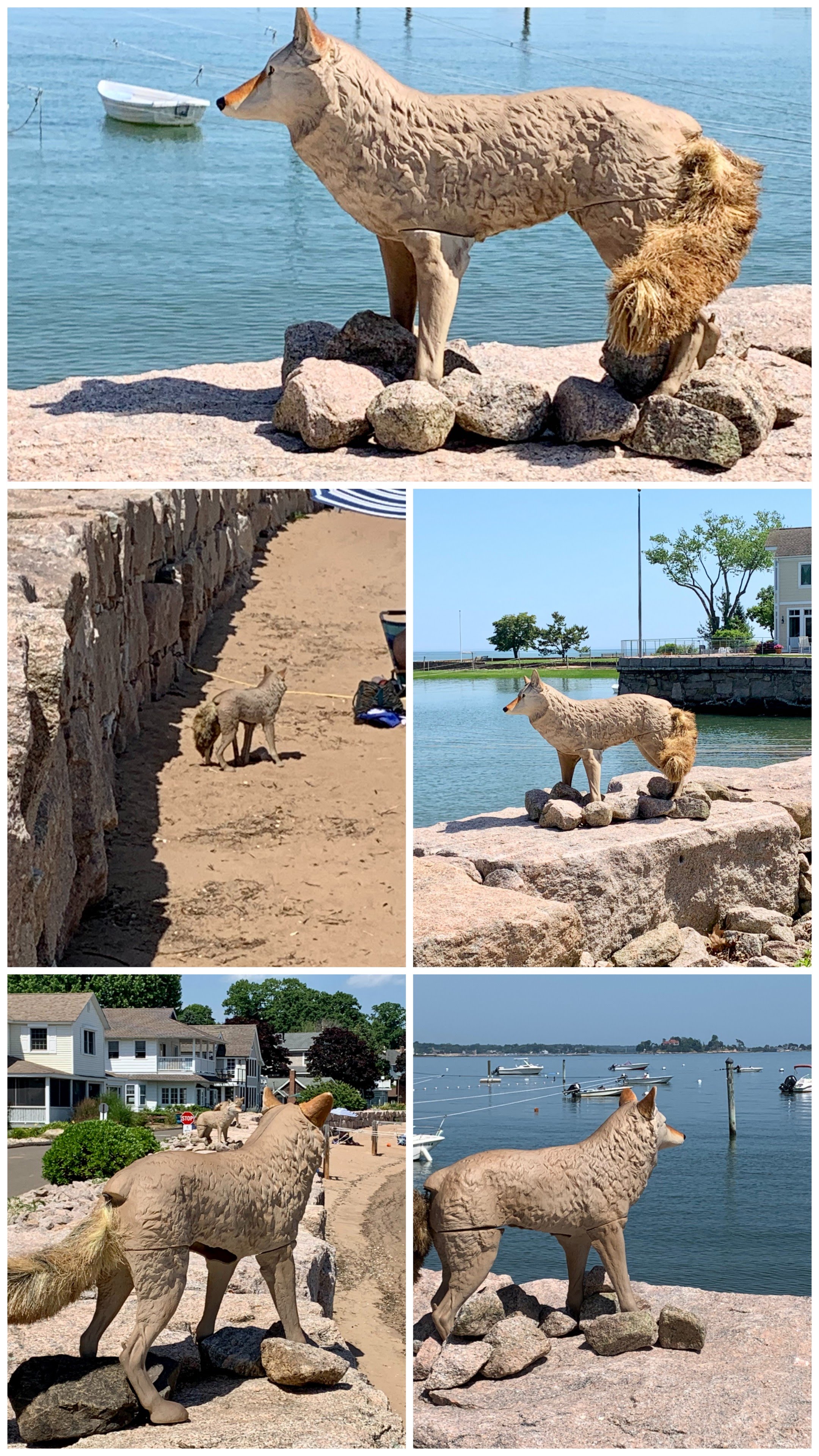
- Predator Decoys: We have placed realistic coyote statues on the beach and will add more. To prevent the geese from getting used to them, we will move them to different spots every few days.
- Swan Decoys: We will moor one or more swan decoys in the water, as swans are territorial and geese naturally avoid them. These will also be relocated regularly.
- Trained Goose Patrol Dogs: We are currently selecting dogs to chase the geese. Please note: This is a strictly temporary measure. The dogs will wear vests identifying them as “Goose Patrol” and will only be on the beach during active chases when the area is not busy. No other dogs are allowed on the beach.
What you can do to help
Canada Geese are persistent birds—they have a 95% hatching success rate and are highly accustomed to human presence. The only way to succeed is by being more persistent than they are.
If you see geese on the beach, please:
- Chase them away.
- Make plenty of noise (clap, shout).
- Throw rocks into the water for splashing, DO NOT THROW ROCKS AT THEM – they are very aggressive and might try to attack back .